

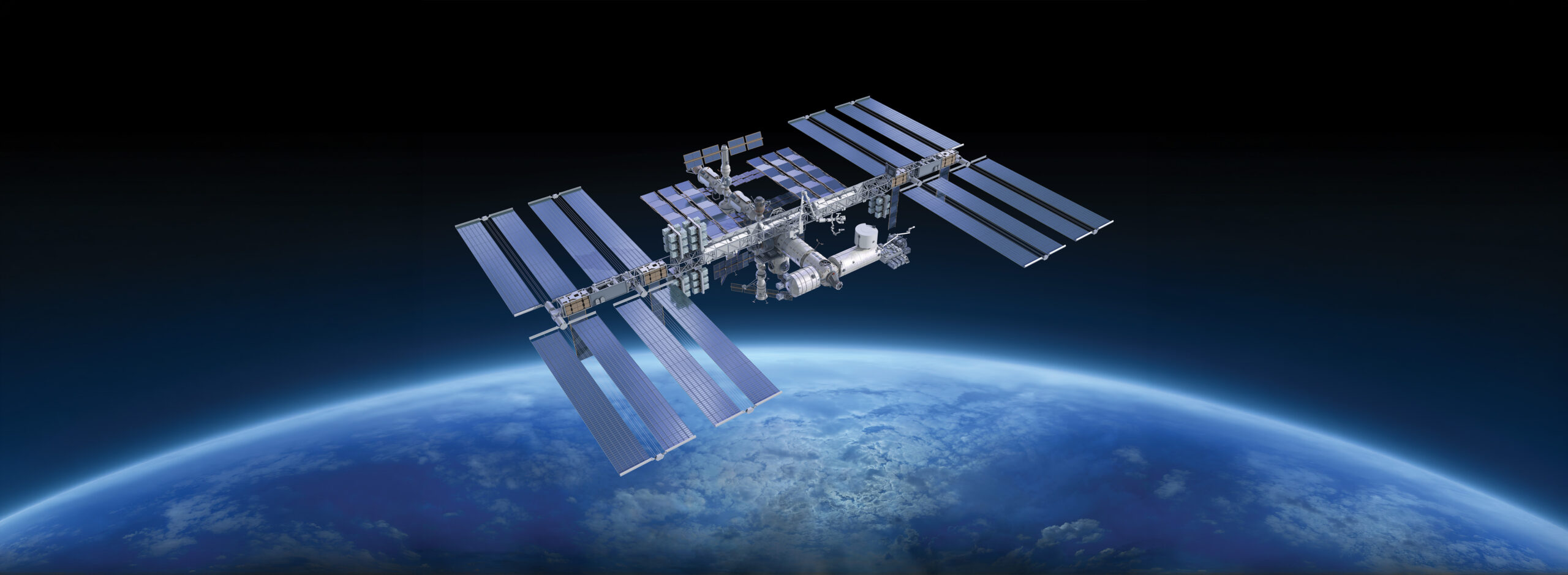


Manufacturing large solar panel arrays and other spacecraft can present significant bonding or assembly challenges. Traditional two-part liquid adhesives can require specialized mixing and dispensing equipment, lengthy cure times, and careful control of bond-line consistency across broad surface areas. As spacecraft and satellite manufacturers look for ways to improve production efficiency while maintaining the demanding performance required for space applications, manufacturers should explore whether there are more efficient alternatives to conventional bonding processes.
This webinar will explore silicone-based pressure-sensitive adhesives (PSAs) as an alternative for bonding solar cells and other components used in spacecraft and satellite systems. Attendees will learn how PSA technology can reduce steps associated with mixing, dispensing and curing two-part adhesives, while offering a simpler application process for large-area bonding.
The presentation will focus on the advantages of continuous-roll PSA formats and how they can support improved manufacturing efficiency, consistency, and flexibility. Attendees will also explore key performance considerations for space applications, including low outgassing and temperature stability, as well as potential applications beyond solar arrays, including electronics, wiring and other spacecraft subassemblies.
Discover whether silicone PSA technology could offer a new option for your bonding and assembly challenges. Register for the webinar to learn how a proven adhesive technology in a new continuous-roll format could help simplify manufacturing across a range of space applications.
Learning Objectives
At the conclusion of this webinar, attendees will be equipped to:
-
- Understand the role of pressure-sensitive adhesives in spacecraft and satellite assembly applications.
- Compare silicone PSA approaches with traditional two-part liquid adhesives in terms of application, processing and consistency.
- Identify how continuous-roll PSA formats may simplify assembly and improve manufacturing efficiency, particularly for large-area applications such as solar arrays.
- Recognize key performance considerations for silicone PSAs in space environments, including low outgassing and temperature stability.
- Identify potential spacecraft, satellite and electronic assembly applications where continuous-roll PSA technology may offer manufacturing or design advantages.
 Register
